Jewellery Care Guide: Keeping Gold and Silver Bright
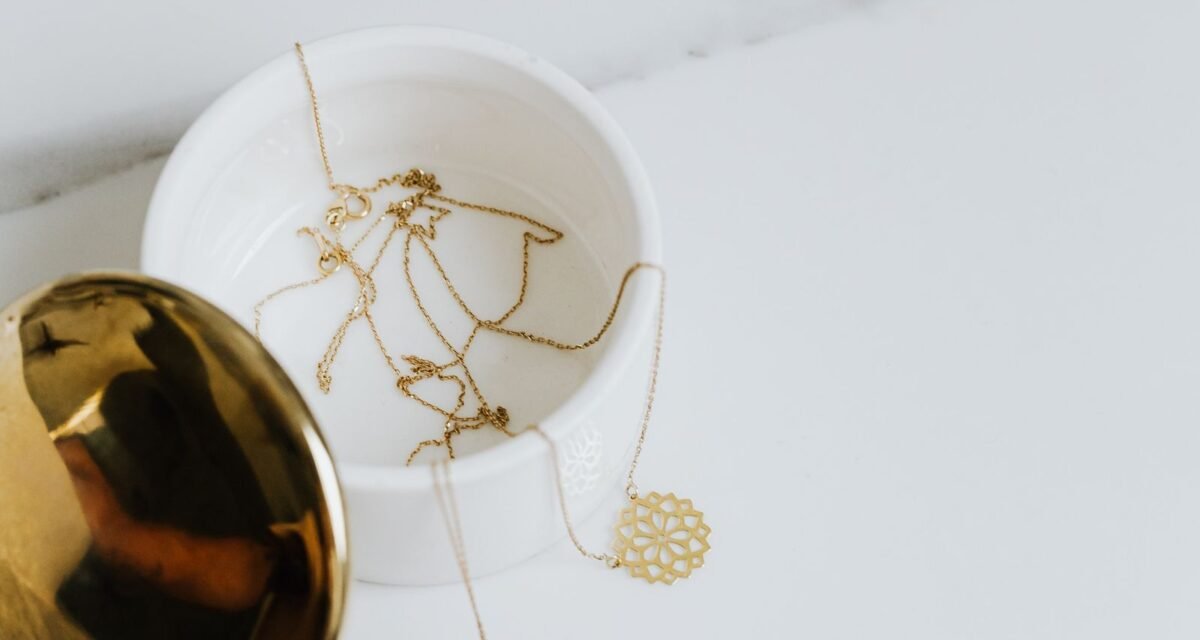
Most jewellery does not wear out; it gets neglected. A few small habits will keep gold, gold-plated and sterling silver pieces looking the way they did on the day they arrived. Here is what actually works.
Last on, first off
Put jewellery on after perfume, hairspray, sunscreen and lotion have dried, and take it off before you wash your hands, shower, swim or work out. Chlorine, salt water, sweat and cosmetics are the main reasons plating dulls and silver tarnishes.
Sterling silver
Sterling silver (92.5% silver) tarnishes when it reacts with sulphur in the air. Tarnish is not damage – it is a surface film and it polishes off. Wipe pieces with a silver polishing cloth, working along the length of chains rather than across them. For heavier tarnish, wash in warm water with a drop of mild dish soap, use a soft toothbrush around settings, rinse and dry thoroughly. Avoid toothpaste, baking-soda pastes and “dip” cleaners on pieces with stones, pearls or an oxidised (deliberately darkened) finish; dips will remove the oxidisation.
Gold-plated and gold-vermeil
Plated jewellery has a thin layer of gold over a base metal (brass or stainless steel) or, for vermeil, over sterling silver. That layer is measured in microns and cannot be polished back once it is worn through, so the aim is to slow the wear down. Wipe with a soft, dry cloth only – no polishing cloths with abrasive compounds, no ultrasonic cleaners. Rings and bracelets wear fastest because they rub against surfaces all day; taking them off for typing, cooking and gym sessions makes a real difference. Stainless-steel based pieces hold their colour longer than brass and are the better choice if you have sensitive skin.
Solid gold
Solid 9k, 14k and 18k gold does not tarnish in the way silver does, but it picks up a film of skin oils and soap. Soak in warm soapy water for ten minutes, brush gently, rinse and dry. Lower-carat gold is harder and more scratch-resistant; higher-carat gold is softer and a richer colour. White gold is usually rhodium-plated and will need re-plating every couple of years to stay bright white – any jeweller can do this.
Stones and pearls
Diamonds, sapphires and cubic zirconia tolerate soapy water. Pearls, opals, turquoise and emeralds do not like soaking, heat or chemicals; wipe them with a damp cloth and let them dry flat. Check prong settings occasionally by running a fingernail around the stone – a catch means a loose prong, and a jeweller can tighten it in minutes.
Storage
Store pieces separately in soft pouches or a lined box so they do not scratch each other, and keep them somewhere dry. Anti-tarnish strips in a silver box are inexpensive and effective.
Ten seconds of care after each wear is all it takes. If a clasp fails or plating peels within the first year, remember that Jouelanity’s 12-month warranty covers manufacturing defects – just email us with photos.